Securing a professional pest control service in DesMoines eliminates active structural threats and stops recurring colonies before interior nesting expands. Property owners confronting sudden insect swarms or rodent activity near the Des Moines River require direct structural remediation rather than temporary repellent sprays.
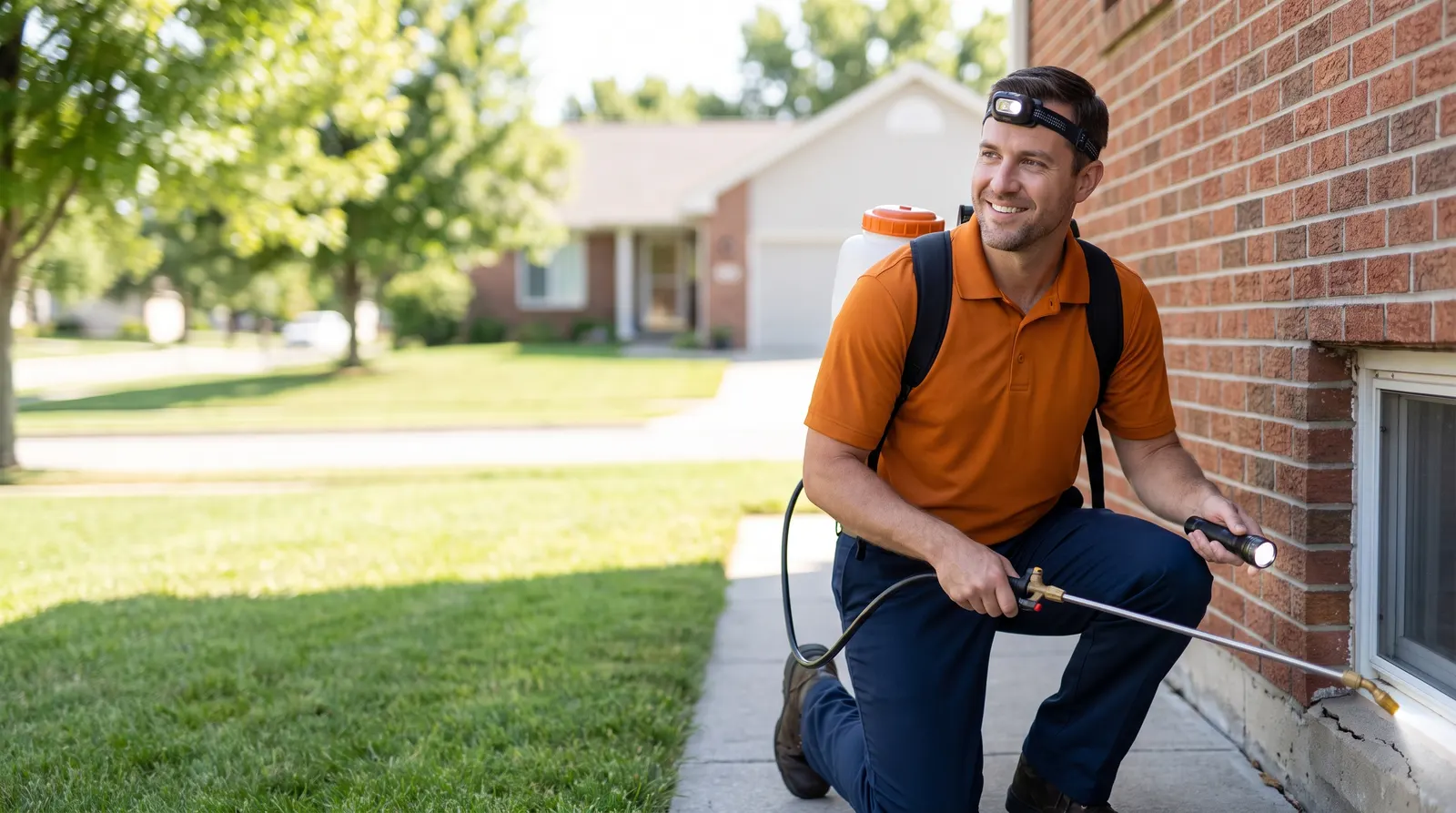
A professional pest control service in DesMoines is a specialized structural remediation and biological management intervention that eliminates active insect and rodent infestations while establishing physical and chemical exterior perimeters against re-entry.
Every service reflects the same meticulous attention to detail, whether it's a single job or a larger pest control sevice project across DesMoines.
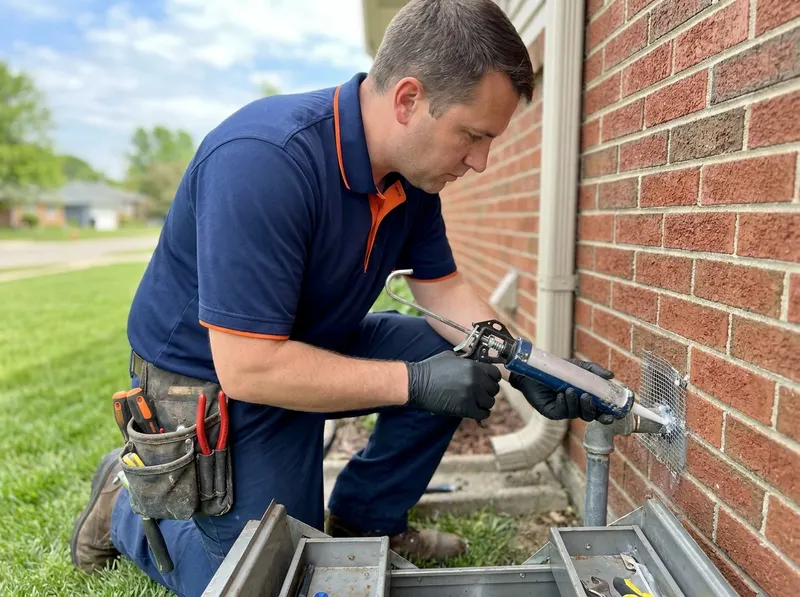
Mechanical sealing of foundation gaps, crawl space vents, and roofline transitions using galvanized hardware cloth, copper mesh, and architectural elastomeric sealants to permanently block mice and rats from entering the building envelope. Technicians trace structural entry points across utility penetrations, basement window wells, and door sweeps, combining physical blockades with strategic interior trapping runs to clear active rodents without relying on interior toxic bait blocks.
Get a quote →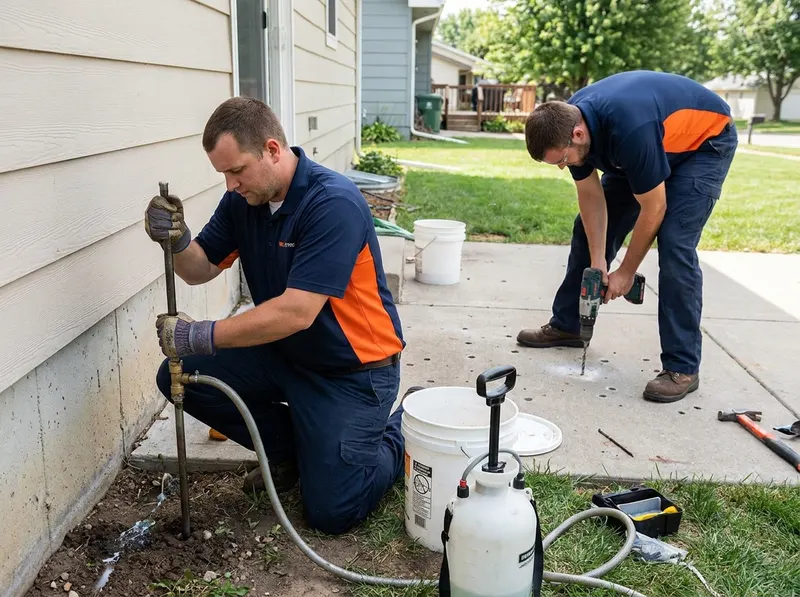
Trenching, liquid termiticide barrier establishment, and structural wood injections designed to neutralize subterranean termite colonies threatening structural floor joists, sill plates, and stud walls. Technicians excavate continuous trenches along foundation perimeters, inject non-repellent liquid termiticides directly into critical soil interfaces, and treat damaged lumber with borate formulations to prevent re-infestation and halt structural degradation.
Get a quote →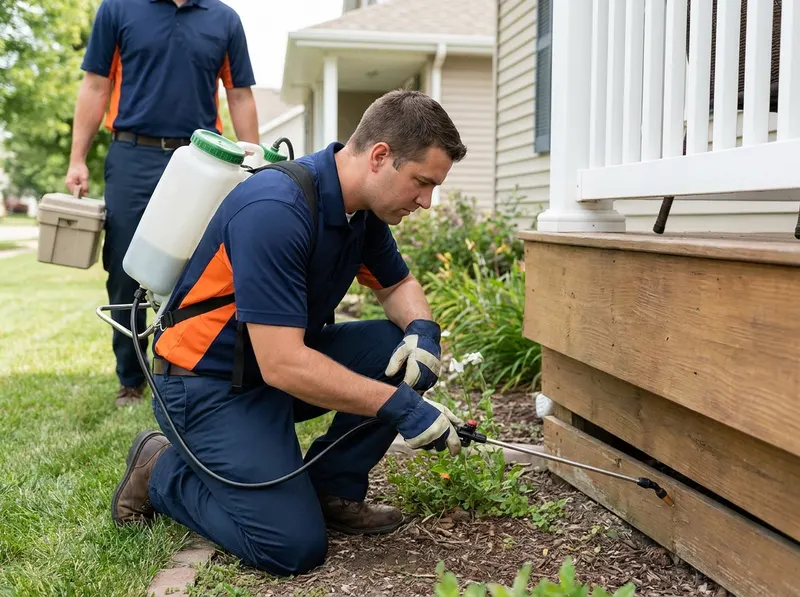
Dual-action non-repellent transfer insecticides and targeted void injections that systematically eliminate satellite carpenter ant colonies nesting in moist structural lumber. By identifying active exterior foraging trails and interior moisture reservoirs around plumbing stacks, roof flashings, and window frames, technicians apply microencapsulated formulations that worker ants transfer directly back to the parent queen, collapsing the parent nest without unnecessary broadcast spraying.
Get a quote →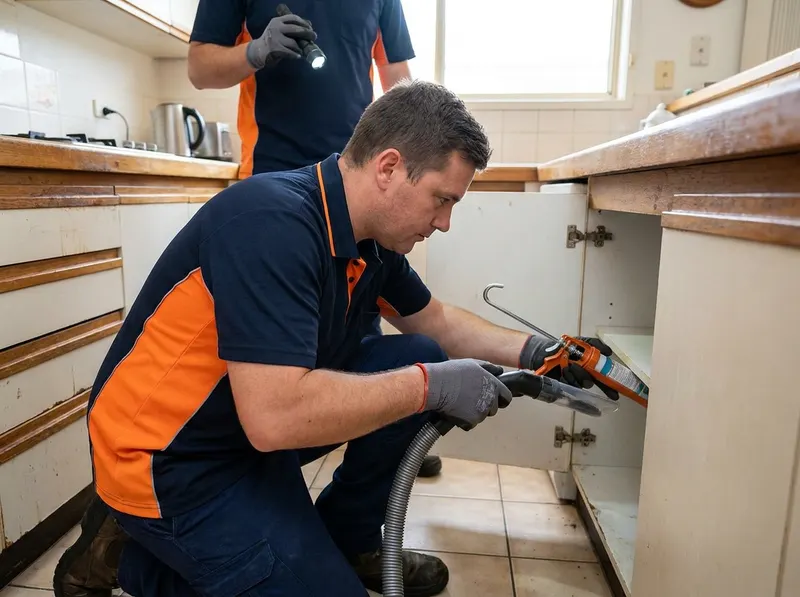
Intensive multi-stage treatments utilizing insect growth regulators, microencapsulated formulations, and precision gel baits to eradicate German, American, and Oriental cockroach populations. Technicians treat deep crack-and-crevice harborage zones behind commercial kitchen equipment, residential appliances, and bathroom utility voids, interrupting the insect reproductive cycle and monitoring eradication velocity with specialized sticky traps.
Get a quote →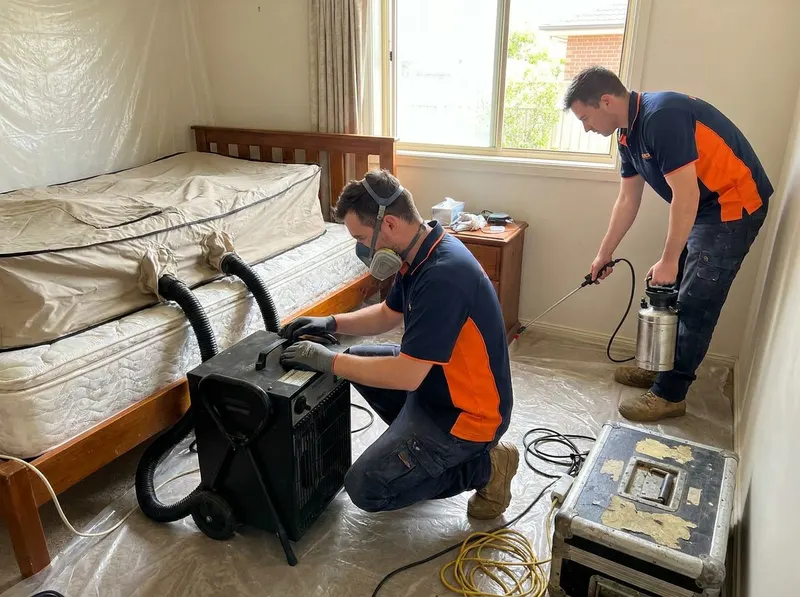
High-output structural heat integration combined with residual contact applications to penetrate mattress seams, baseboards, upholstered furniture, and wall voids, killing all life stages including eggs on contact. Protocols incorporate precision vacuuming to remove live clusters, followed by localized steam applications and long-lasting desiccant dusts behind electrical faceplates to establish permanent protection across sleeping areas.
Get a quote →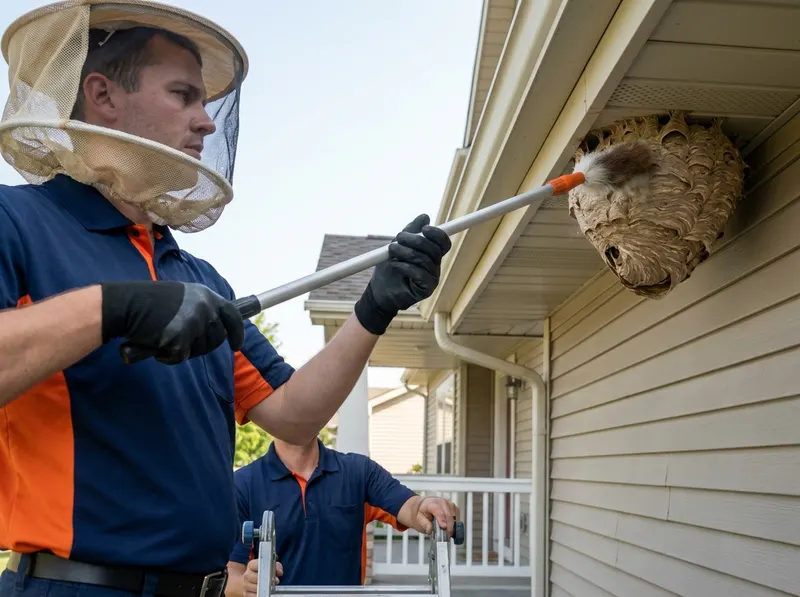
Rapid mechanical removal and specialized aerosol knockdown of bald-faced hornet, paper wasp, and yellow jacket nests anchored to exterior eaves, chimneys, porch ceilings, and ornamental landscape trees. Technicians utilize protective gear and high-reach application tools to freeze and extract active aerial paper nests and subterranean yellow jacket cavities, applying targeted residual repellent to prevent replacement nests in identical architectural anchor points.
Get a quote →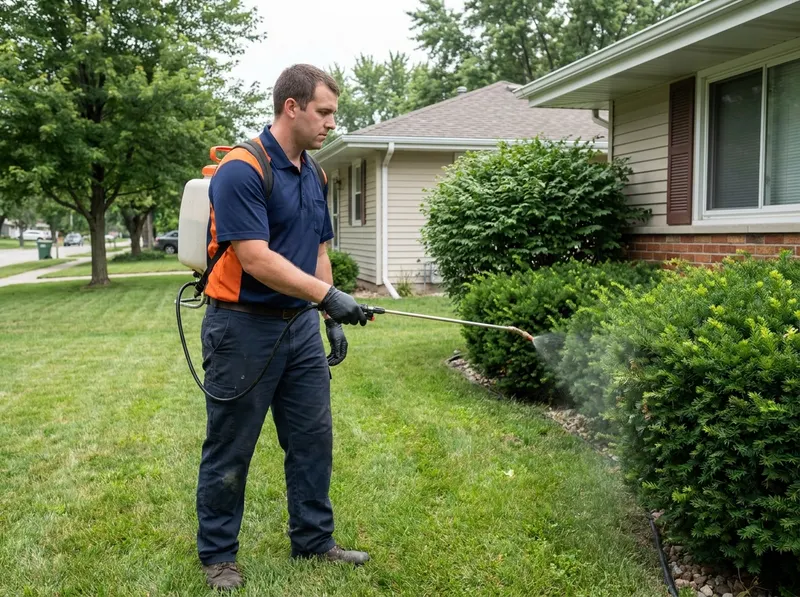
Boundary-layer mist applications to shaded foliage, ornamental turf perimeters, and standing drainage pathways to suppress adult mosquito and tick populations through humid summers. Specialized low-volume mist blowers deliver microencapsulated compounds to the undersides of leaves and dense groundcovers where vectors rest during peak heat, reducing biting insect pressure around outdoor living areas for three to four weeks per application.
Get a quote →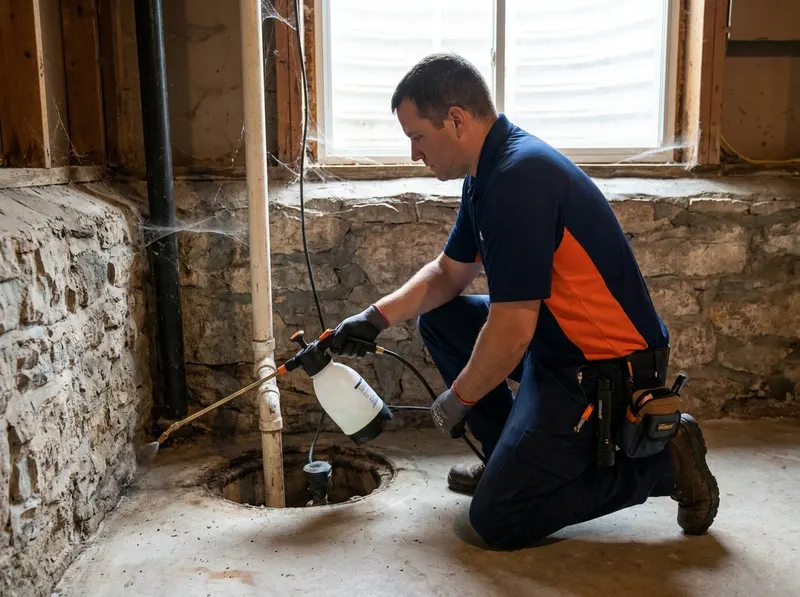
Micro-crack dusting and low-toxicity perimeter microencapsulated applications targeting wolf spiders, house centipedes, and brown recluse vectors in unfinished basements, crawlspaces, and mechanical rooms. Treatments eliminate secondary moisture pests that serve as primary food sources, combined with physical web knockdown and perimeter threshold barrier treatments along foundation bases to block predatory arachnids.
Get a quote →You get a firm, itemized quote for your pest control sevice before any work begins, no surprises, no pressure.
Careful prep, tidy work, and a full cleanup when we are done. We treat your home and belongings like our own.
The same trusted, background-checked team from the first call to the final check.
Selecting appropriate intervention protocols depends on the biological vector, building architecture, and lifecycle stage of the pest. If property managers observe active wood-boring insects, structural carpenter ants, or subterranean termite mud tubes along basement foundations, choose targeted liquid soil treatments and localized borate wood injections. If homeowners identify roof rats, Norway rats, or deer mice within attic insulation and wall voids, choose mechanical exclusion paired with closed-station tamper-resistant rodenticide trapping.
The fundamental trade-off balances initial perimeter modification work against long-term chemical reliance: structural exclusion demands higher upfront labor to physically block exterior entry points, whereas barrier applications demand periodic perimeter re-treatments to maintain repellent longevity across wet Iowa spring seasons and freezing winters. When deciding between liquid barrier termiticides and active bait stations, property owners must evaluate the grade slope, soil clay content, and proximity to exterior wellheads; liquid barriers establish an immediate, continuous zone of protection around concrete foundation perimeters, while bait monitoring stations require several months to achieve colony elimination through slow-acting chitin synthesis inhibitors. For acute indoor infestations such as German cockroaches or bed bugs, aerosol sprays provide temporary knockdown but push breeding populations deeper into wall cavities; a combined protocol of insect growth regulators, microencapsulated non-repellent suspensions, and precision baiting provides definitive control without displacing the colony throughout adjacent rooms.
Homeowners must also evaluate the difference between a standalone curative cleanout and ongoing perimeter fortification: acute cleanouts resolve immediate biological hazards inside the building envelope, whereas recurring seasonal applications stop exterior pressure before pests penetrate foundation expansion joints, crawlspace vents, and overhead rooflines.
Every project gets a firm, written price after a free on-site visit. Ranges below for orientation.
Tell us about your pest control sevice job and we'll send a clear, written quote, usually the same day. Or just call and talk to a real DesMoines pro.
(515) 217-4308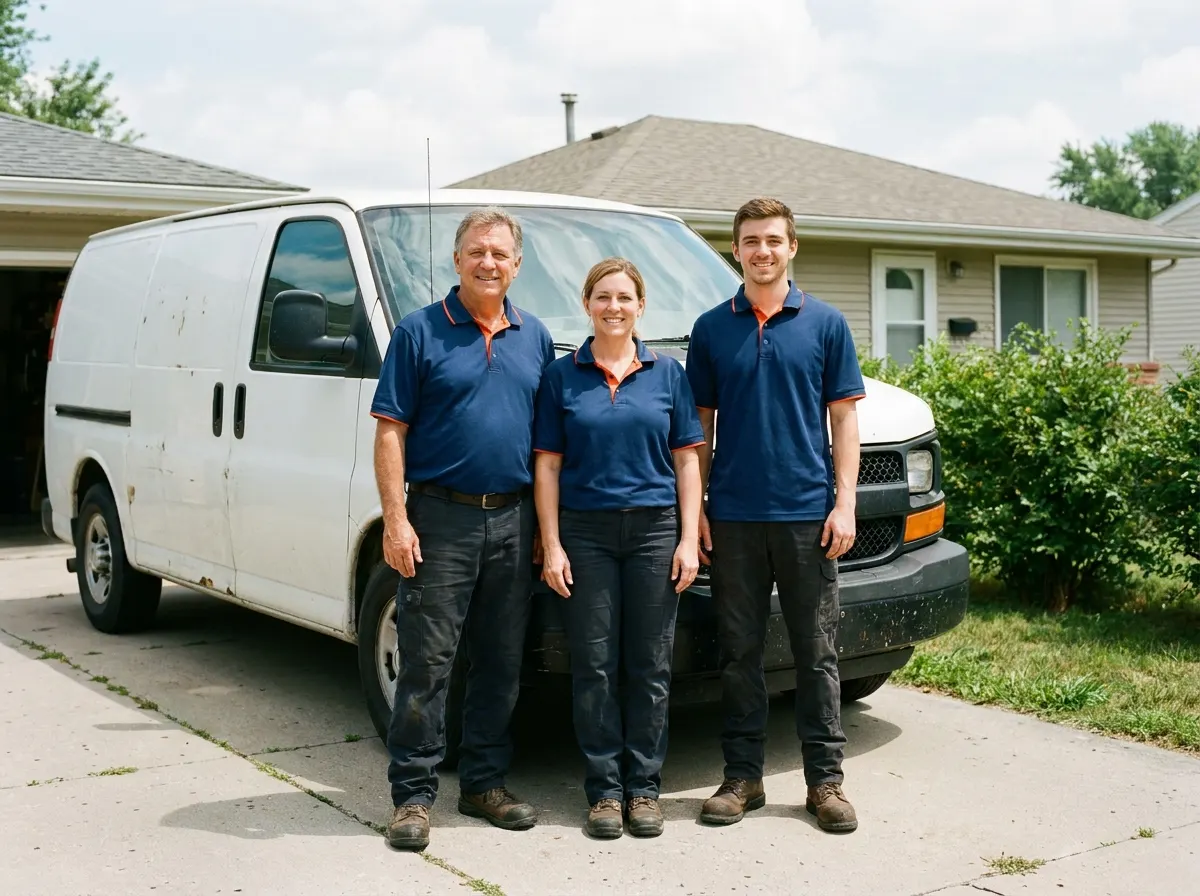
Properties throughout Des Moines face distinct biological pressures driven by seasonal flooding along the Des Moines River and Raccoon River basins, which drives high subterranean termite swarms into historic masonry structures in Sherman Hill and older brick basements in Beaverdale. Heavy summer humidity surrounding Gray's Lake Park and the Greater Des Moines Botanical Garden creates dense breeding corridors for aggressive stinging insects and mosquitoes. As temperatures drop sharply in late autumn across Polk County, field mice and Norway rats migrate from nearby agricultural fields and park borders directly into urban subfloors, demanding precise physical exclusion at the foundation level. Historic brick structures in the East Village and timber-framed homes throughout Salisbury Oaks frequently present unsealed stone foundation ledges and settling cracks that allow rodents to bypass exterior perimeters, making routine mechanical exclusion essential. The expansive mature tree canopy in Waterbury and Ingersoll Park provides direct overhead access for carpenter ants and wildlife to reach high fascia boards, chimney joints, and roof valleys, bypassing standard ground-level treatments. Furthermore, the convergence of urban drainage corridors near South Park and Waveland Park elevates subterranean moisture levels during heavy spring rains, accelerating termite activity and creating ideal micro-environments for cluster flies and centipedes within older residential basements. Managing these recurring local challenges requires specialized knowledge of regional architecture, soil hydrology, and pest flight calendars unique to central Iowa.
Free estimates for DesMoines & the surrounding area.
 Dextaro Pest Response