Eradicating Cimex lectularius requires exact thermal mechanics combined with precise chemical barriers. Thermal remediation operates by elevating core air and void temperatures to 120°F to 140°F, maintaining that…
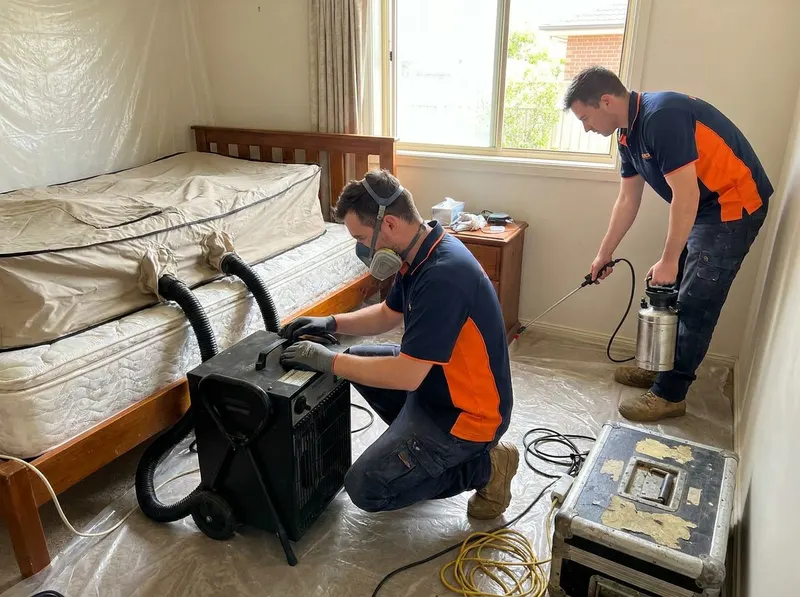
Eradicating Cimex lectularius requires exact thermal mechanics combined with precise chemical barriers. Thermal remediation operates by elevating core air and void temperatures to 120°F to 140°F, maintaining that threshold for a minimum of 90 minutes. Heat permeates hard-to-reach micro-crevices, wall voids, and mattress seams where adult bed bugs, nymphs, and eggs harbor, dehydrating and denaturing insect proteins instantly. While heat delivers immediate lethal mortality without leaving chemical residue on living surfaces, chemical applications provide the critical second layer of perimeter defense. Technicians place non-staining, targeted micro-encapsulated residuals along wall-floor junctions, outlet boxes, and room perimeters to neutralize any migrating specimens driven toward exterior walls during the heat rise.
Selecting the right intervention protocol depends on structural layout, furniture density, and infestation severity. Whole-structure thermal treatment suits heavily furnished single-family homes in neighborhoods like Beaverdale, Waterbury, and Waveland Park, where brick and lath-and-plaster construction offer deep insulation pockets. The trade-off is higher initial power mobilization and pre-treatment preparation, requiring residents to isolate meltable items, medications, and sensitive electronics. Conversely, localized targeted chemical treatments suit modern, high-density apartment units or lofts near the East Village, Capitol East, and Sherman Hill, where interconnected heating and plumbing chases risk heat transfer into neighboring units. Chemical protocols cost less upfront, though multiple site visits spaced 10 to 14 days apart are necessary to interrupt the egg hatch cycle.
Executing treatment properly follows four procedural steps. First, technicians inspect headboards, baseboards, and upholstery using optical magnifiers and carbon-dioxide monitoring to chart activity boundaries. Second, specialized electric and indirect-fired industrial heaters route through structural points, circulating thermal currents via high-temperature axial fans to eliminate cold spots. Third, calibrated temperature sensors monitor structural baseboards, closet interiors, and mattress cores to ensure every boundary maintains 122°F for over an hour. Fourth, technicians apply residual insect growth regulators and perimeter barriers to entry points and sill plates, preventing external re-entry from adjacent units. Property managers and homeowners near Ingersoll Park, Salisbury Oaks, and South Park receive verifiable heat-log data upon treatment completion.
Every job gets a firm, written price after a free on-site visit.
Tell us about your bed bug thermal & chemical treatment job in DesMoines and we'll send a clear, written quote, usually the same day.
 Dextaro Pest Response